 Casas Unitas
Spain: Foreign Employment Surpasses National and Transforms the Real Estate Market
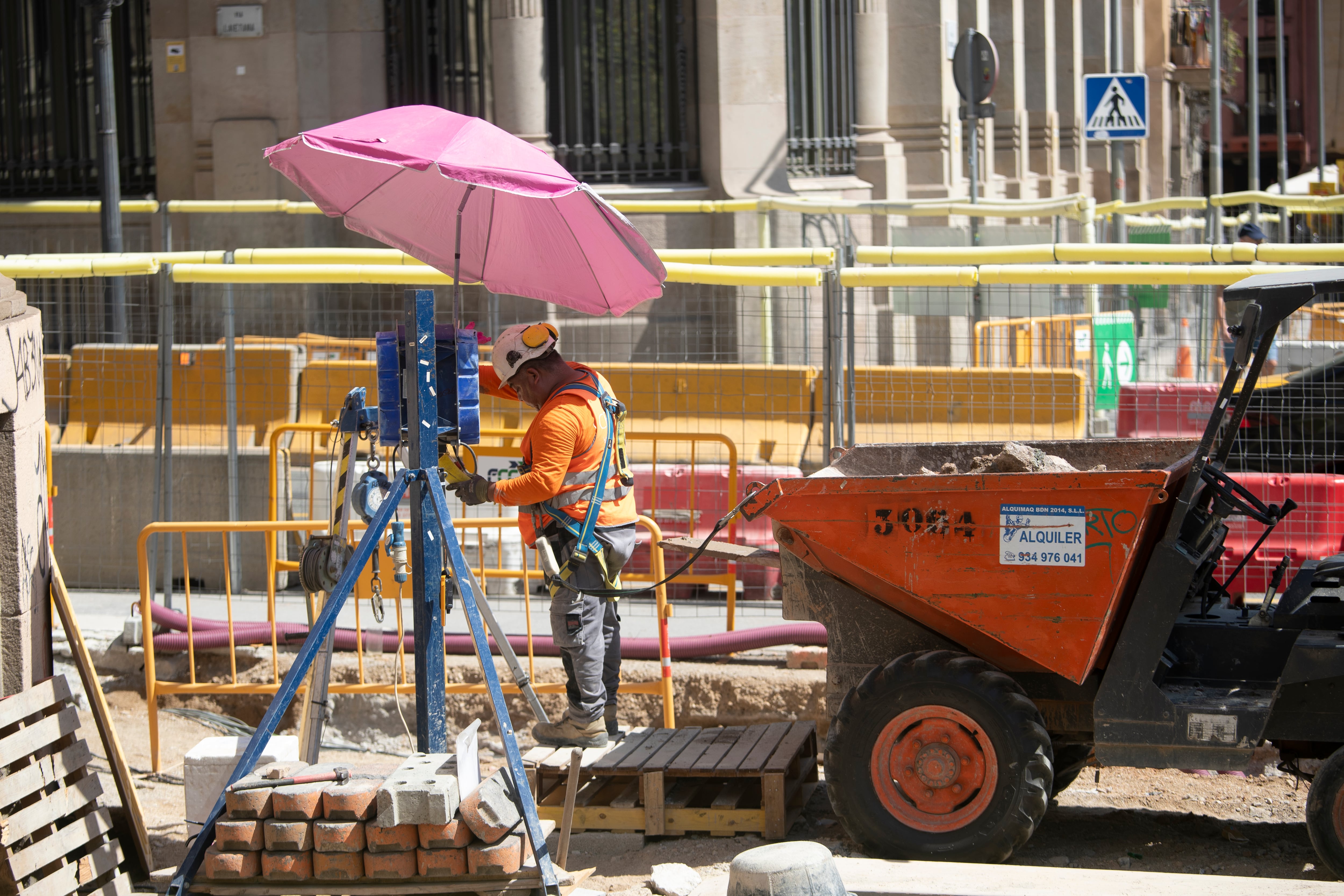
The Spanish labor market has reached a historic turning point. For the first time since consolidated records of foreign affiliation began in 2012, the annual creation of jobs by foreign citizens has surpassed that by Spanish nationals. This milestone, recorded in June of this year in year-on-year terms, is not merely a seasonal fluctuation but a structural change with significant implications for the country's economy. Traditionally, the Spanish economy, strongly linked to tourism, experiences peaks and valleys in job creation. Although it had been observed in the short term that foreign workers led job generation during certain seasons, this is the first year this trend has solidified annually. A key factor behind this primacy has been a recent regularization campaign promoted by the Executive, which has integrated a considerable number of workers into the system. By June, more than half of new Social Security affiliations, specifically 58%, were contributed by foreign-born workers. This transformation has been especially driven by the Latin American collective, with Colombian and Venezuelan citizens at the forefront. For property owners and buyers, this demographic and labor shift is crucial. A growing working population, especially of international origin, directly boosts housing demand, both for rental and purchase. Areas with a greater influx of new working residents will see an increased need for homes, which could influence property prices and availability. Understanding these dynamics is essential for those investing or living in the Spanish real estate market, as it signals a trend of demographic and economic growth with a strong international component.