 Casas Unitas
Mallorca: The Challenge of Low-Spending Tourism and Local Tensions
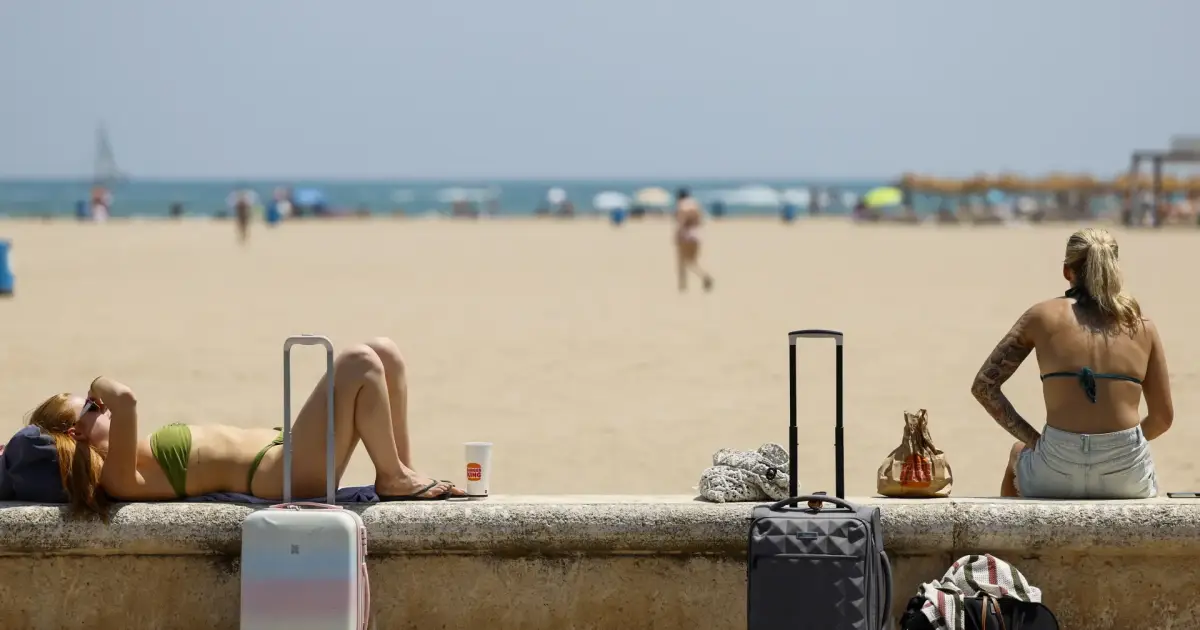
Mallorca, a quintessential tourist destination, is once again at the heart of a debate surrounding the type of tourism it attracts. This August, the terms "sandwich tourists" and "diesel tourists" have resurfaced in the local lexicon, reflecting growing frustration among residents and business owners. The island, renowned for its pristine beaches and vibrant life, finds itself at a crossroads, with the population questioning the sustainability of a tourism model that appears to contribute less to the local economy. "Sandwich tourists" are holidaymakers who opt to buy their food from supermarkets to prepare their own meals, thereby avoiding local restaurants and bars. This trend, according to hoteliers, has led to a significant drop in sector revenue. Simultaneously, "diesel tourists" are described as visitors who travel around the island, enjoying its landscapes and coves, but minimize their spending on local services such as sunbed rentals or purchases at beach bars. It is argued that rising flight and accommodation prices have forced many tourists to cut back on leisure and dining expenses once at their destination. This dynamic has resulted in a significant reduction in income for businesses in both urban areas and on the beaches. Tensions are palpable, and an anti-tourism march in Sóller, similar to last year's, is expected to highlight local discontent. For property owners and real estate investors in Mallorca, this phenomenon has direct implications. A less profitable tourism sector can affect the viability of hospitality and service businesses, which in turn could influence the value of commercial and residential properties linked to tourism. The perception of "low-spending tourism" and increasing local animosity could tarnish the island's image as a premium destination, impacting holiday rentals and purchase demand. It is crucial for authorities and the sector to work towards a more balanced and sustainable tourism model that ensures mutual benefit for visitors and residents, thus safeguarding Mallorca's long-term appeal as a real estate investment.