 Casas Unitas
Spain's Housing Market: "The Average Person Can No Longer Afford It," Experts Warn
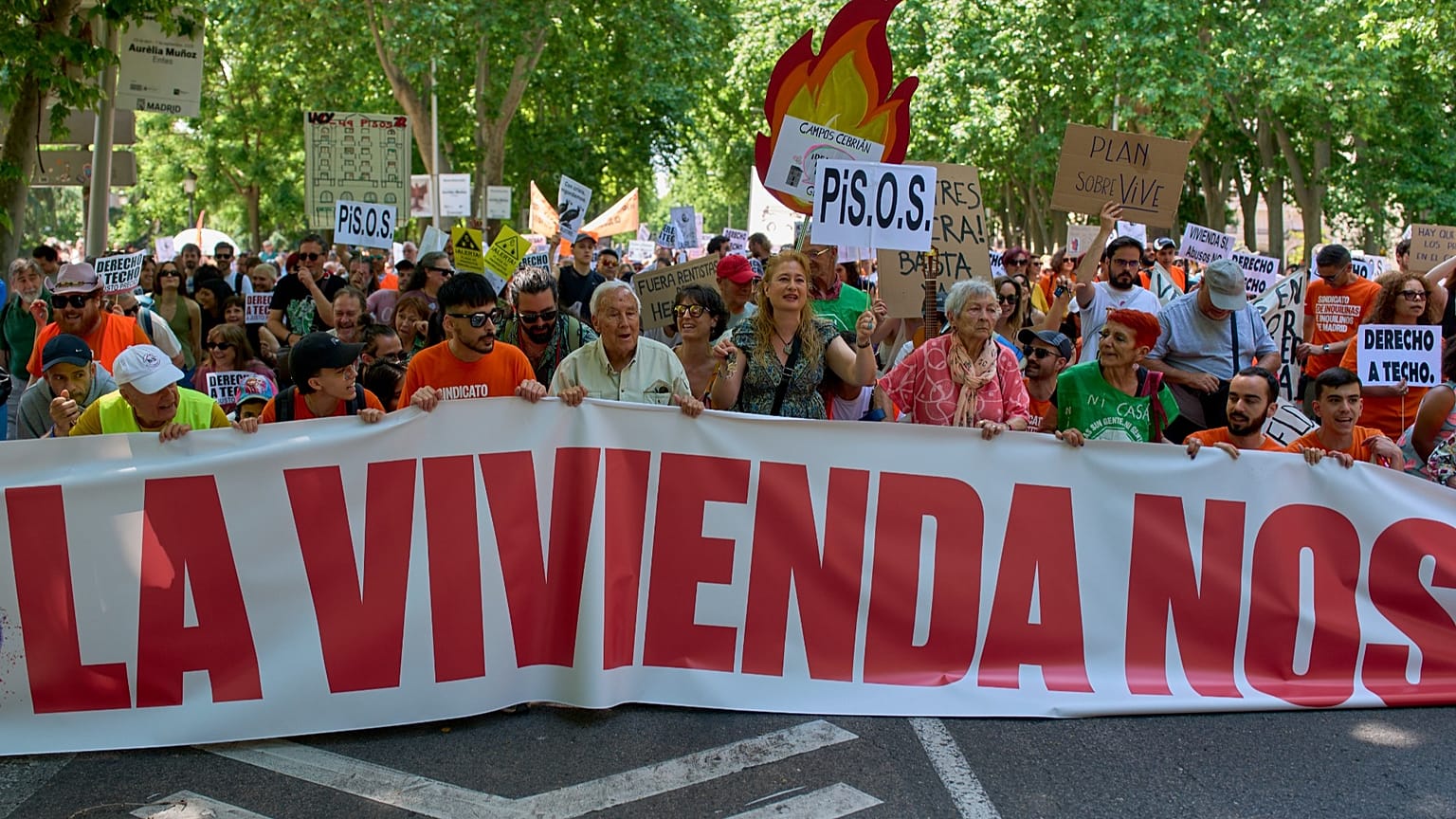
The housing crisis in Spain is intensifying, with the real estate market reaching a critical turning point. Soaring prices have created an insurmountable barrier for many, especially the younger population, who are unable to generate the necessary savings to afford a purchase. This scenario has progressively pushed access to decent housing beyond the reach of the average individual.
Renowned economists express profound concern. Santiago Niño Becerra has been unequivocal: "What is happening is that we are reaching that point where the average person can no longer pay more," he stated on La SER. He underscored the unsustainable disparity between salary increases and housing costs, noting that "while wages barely advanced 1% during 2025, the price of second-hand housing soared 20.5%." This gap is further exacerbated by the fact that a mortgage typically requires a 20% initial saving plus processing fees.
Gonzalo Bernardos has also described the situation as "the greatest transfer of wealth in history from parents and grandparents to grandchildren and children," highlighting the dependence on family assistance to access housing. Niño Becerra criticizes the lack of political foresight, stating that "if the different Spanish governments over the last 40 years had built between 55,000 and 65,000 public rental homes annually, with 99-year protection, today there would not be the real estate pressure that there is." Furthermore, he labels the European Central Bank's interest rate hikes under current conditions as an "error."
For Casas Unitas, this reality underscores the importance of transparency and security in every transaction. The current situation demands greater institutional involvement to rebalance the market and ensure fair access to housing, protecting both buyers and owners in an increasingly complex and challenging environment.