 Casas Unitas
Spain's Energy Market Shake-Up: The Holaluz Case and the Future of Electricity Retailers
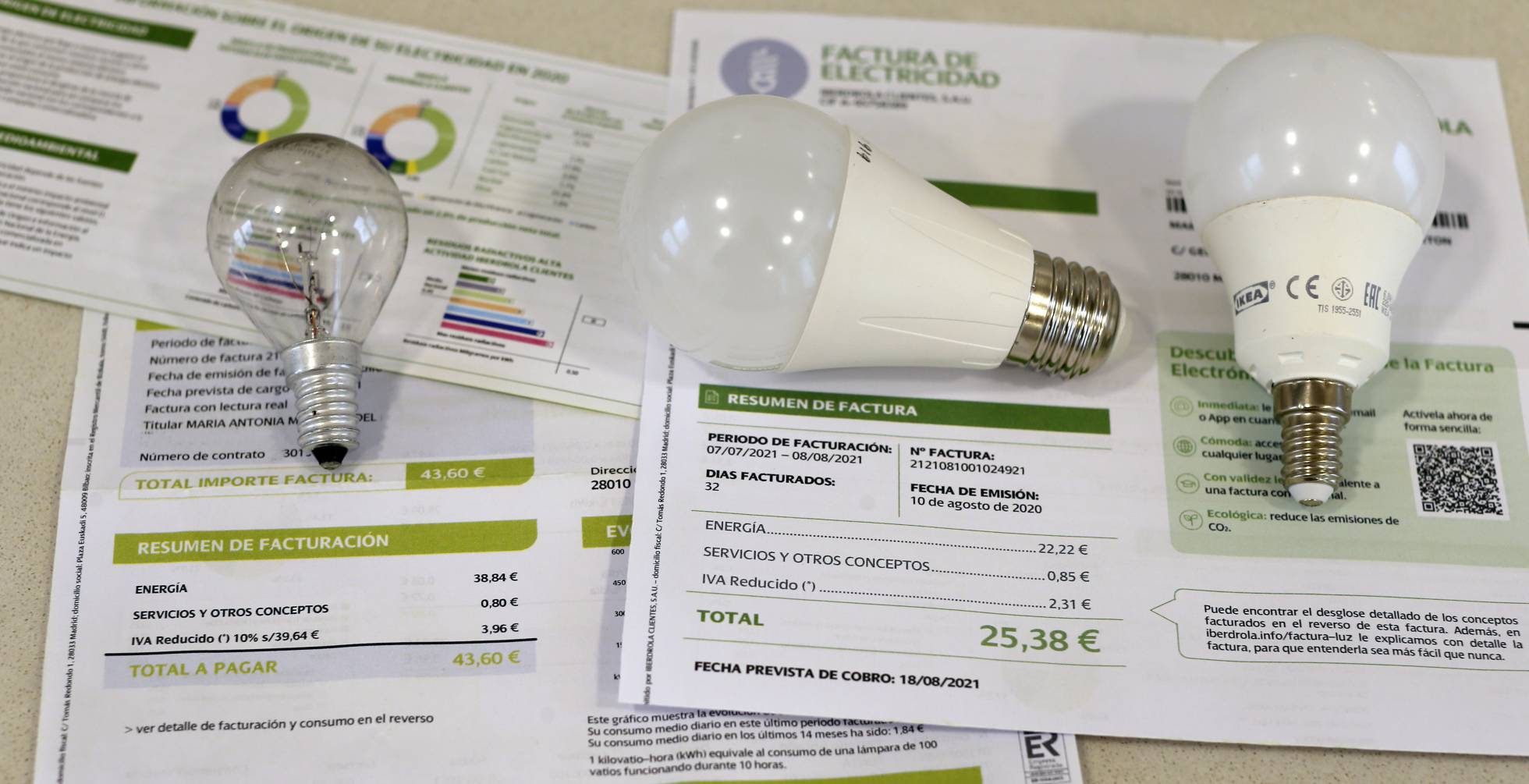
The liberalization of Spain's electricity market, once promising greater competition and better prices, is now facing unprecedented scrutiny. The recent action by the Ministry for Ecological Transition against Holaluz, an electricity retailer that symbolized green energy hope, marks a turning point in the sector, sending a clear warning to all companies.
On February 18, the Official State Gazette (BOE) published the initiation of proceedings to disqualify Holaluz-Clidom as an electricity retailer. This news significantly impacted the sector, as Holaluz, a Catalan company founded in 2011, pioneered the sale of 100% renewable energy and emerged as a meaningful alternative to traditional large energy companies (Iberdrola, Endesa, Naturgy). However, this measure is not isolated. Since February, the Ministry has proposed the disqualification of 54 companies in total. The tightening of requirements aims to prevent irregularities and non-payments that have plagued the system since the market opened to competition at the beginning of the century—a competition that, according to experts, "has never been truly effective."
For property owners and future buyers in Spain, this regulatory tightening is crucial. It implies greater protection against volatility and potential collapses of electricity retailers. While the disqualification of a company like Holaluz might create short-term uncertainty regarding existing contracts, the long-term goal is to stabilize the market and ensure the solvency of electricity retailers. This translates into a greater guarantee of supply and more transparent pricing for electricity consumption in homes and businesses. Casas Unitas advises property owners to regularly review the status of their electricity retailer and stay alert to Ministry notices to ensure their contracts are with solvent and regulated companies.