 Casas Unitas
New EU Right to Repair Law Simplifies Phone Repairs in Spain
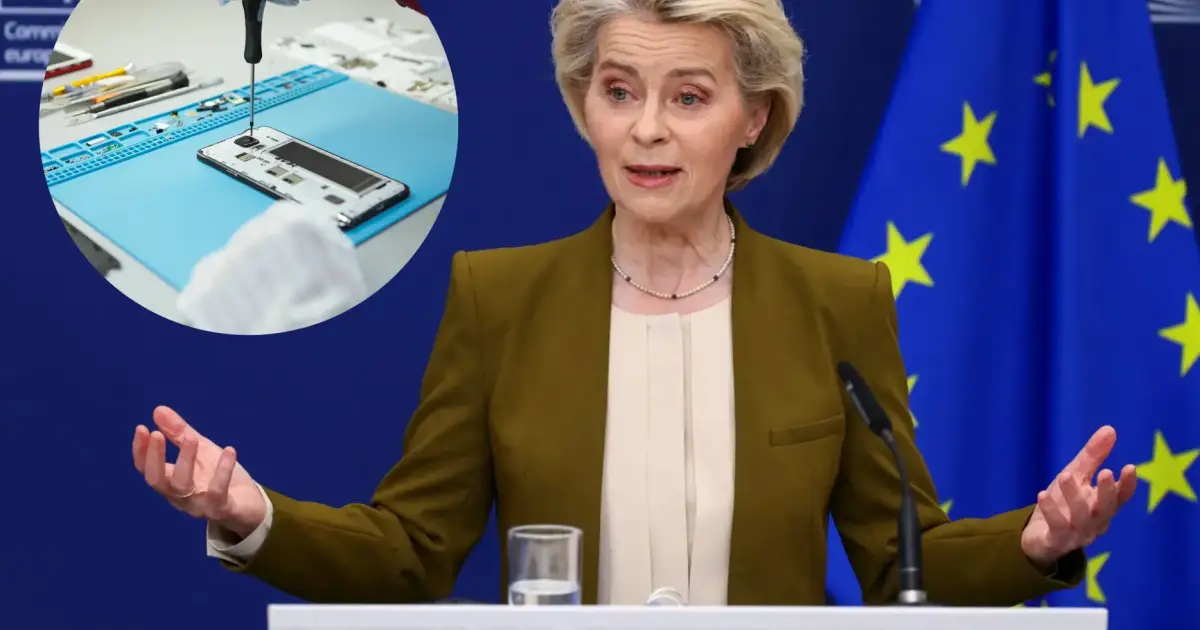
The European Union has ushered in a new era for electronics consumers with the introduction of Directive (EU) 2024/1799, widely known as the 'right to repair' law. Slated for implementation by member states by July 31, 2026, this groundbreaking legislation aims to make mobile phone repairs significantly more accessible, affordable, and transparent across the bloc, including Spain. The primary motivation behind this directive is to tackle the alarming issue of electronic waste, which currently stands at a staggering 35 million tonnes annually within the EU. By extending the lifespan of devices, the EU seeks to foster a more sustainable consumption model and reduce environmental impact. Published in the Official Journal of the European Union, the directive directly confronts manufacturers' historical control over the repair market. It explicitly prohibits restrictive conditions, contractual clauses, or technical measures related to hardware or software that could impede independent repair services. This means an end to practices that limited consumers to expensive authorized workshops or forced them into premature device replacement. For consumers in Spain, this translates into greater freedom to choose repair providers without fear of voiding warranties or encountering functionality restrictions when using compatible, second-hand, or even 3D-printed spare parts. A key innovation of this law is the mandatory creation of a European Repair Information Form. This form will provide consumers with crucial details such as the detected fault, total service price, estimated completion time, and any potential additional costs, enabling informed decisions and fostering competition among repairers. The goal is clear: to empower consumers to request affordable repairs from their chosen service provider, thereby reducing the premature disposal of functional goods. This shift not only benefits individual consumers by offering more economical options but also reinforces a circular economy, minimizing waste and the demand for new product manufacturing. For Casas Unitas' audience, while not directly property-related, this initiative underscores a broader commitment to consumer protection and sustainable living, ensuring better value and longevity from household electronics.